
Rectal Health
27.09.2023
5 ways to help ease the pain of anal fissures
Anal fissures – small tears in the lining of the anus – are often associated with pain, cramping, bleeding, and itchiness.1 These symptoms are uncomfortable and if left untreated may worsen and/or become chronic.1,2 Therapeutic intervention, alongside longer-term conservative management, can be effective in promoting wound healing and preventing anal fissures from becoming chronic.2 Therefore, it is important to empower your patients to self-manage their condition with these 5 at-home methods.


Increase dietary fibre intake
Constipation is a leading cause of anal fissures.1 This is because constipation causes excess water absorption, leading to hard and lumpy stools. When passed, these can cause small abrasions of the anal sphincter.3 Increasing dietary fibre intake can relieve constipation and help prevent excess water absorption in the colon.4 Encourage your patients to include high-fibre foods such as beans, broccoli, berries, and avocado in their diet to boost daily intake of dietary fibre – softening stools and preventing further abrasions.5

Stay hydrated
When a person is dehydrated, water absorption in the colon increases to avoid wasting water through the excretion of faeces.6,7 This can result in harder stools and constipation.7 Therefore, restoring adequate water intake (8–10 cups of water per day)8 may help relieve constipation, soften stools, and prevent anal sphincter abrasion.7
Encourage your patients to consume more water by recommending:8
- Adding a squeeze or slice of lemon, lime, strawberries, or mint leaves to plain water to add variety
- Adding ice cubes made from fresh fruit to a glass of water
- Keeping a bottle or glass of water handy on their desk or in their bag
- Drinking some water with each meal and snack
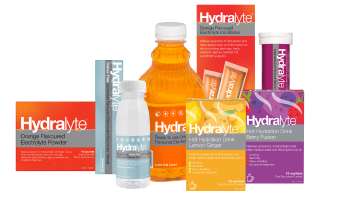
If your patient is struggling to consume enough water, consider recommending an oral rehydration solution (ORS) such as Hydralyte® to help replace water and electrolytes.9

Recommend a ‘sitz’ bath10
A sitz bath is a warm water soak for the rectal area that often contains salt or baking soda. A sitz bath helps the healing of anal fissures by:
- Cleansing the affected area to prevent infection
- Soothing the skin
- Increasing blood circulation to the affected area to promote wound healing
Patients should have a sitz bath around 4 times per day and can purchase specialty baths from the pharmacy or perform in their bathtub.
How to draw a DIY Sitz bath10

Make sure the bathtub is clean

Fill the bathtub with 8–10 cm of warm water, or enough water to submerge the affected area when seated

Add ½ cup baking soda or ¼ cup of salt to the bath to help prevent infection

Sit and soak the affected area for 10–15 minutes

Pat the affected area dry with a clean and dry towel

Consider stool softeners
If the more conservative measures above fail to relieve constipation and hard stools, stool softeners should be considered. There are three classes of stool softeners, including docusate, lubricants (mineral oil), and osmotics (magnesium, polyethelene glycol etc.), to help relieve constipation and prevent further abrasion of the anal sphincter.
.
.