
Rectal Health
05.08.2025
From chocolate to clinical clues
How a viral cake is helping to change conversations around bowel habits
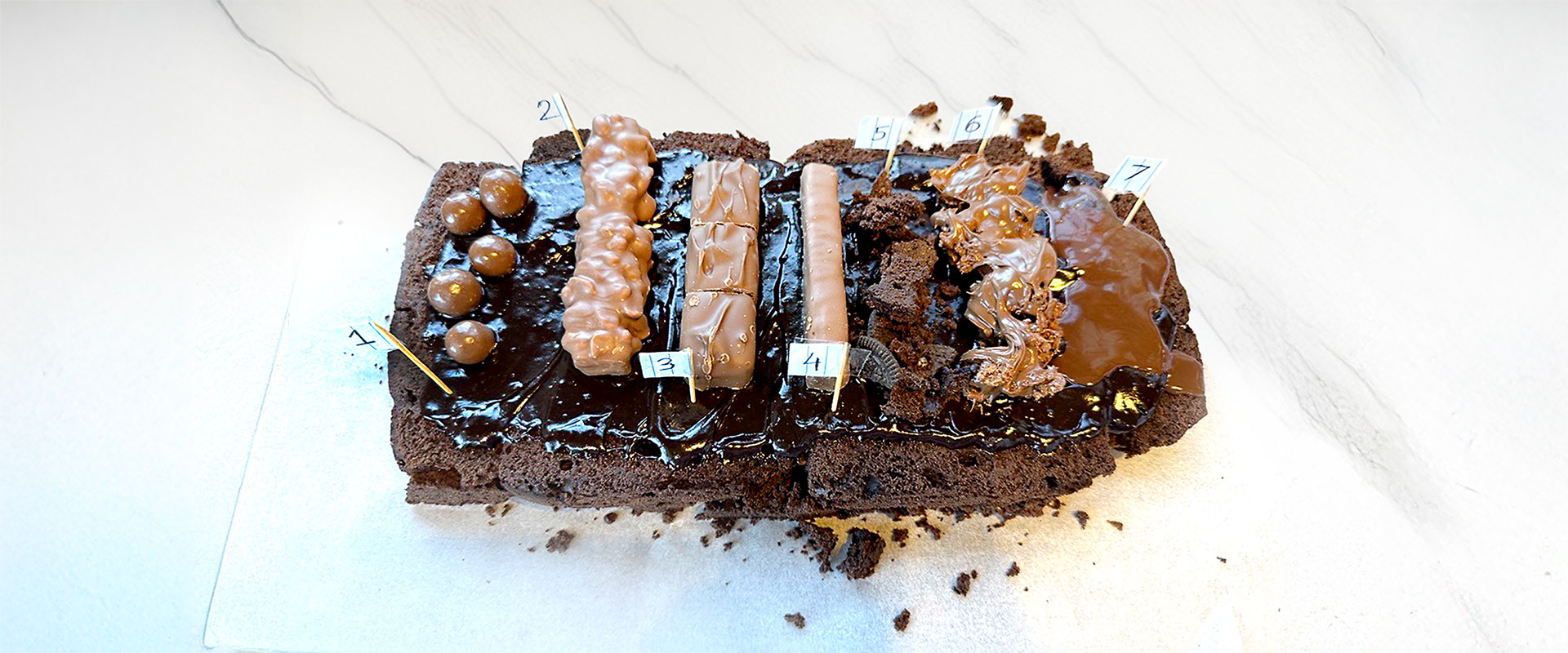
If you’ve ever encountered a version of the Bristol Stool Form Chart cake in real life, you know this sweet treat is not just your average afternoon tea fare: a sponge or mud variety, iced and decorated with seven thought-provoking – if not slightly stomach-churning – sections, and undoubtedly a conversation starter. As a powerful visual tool for discussing bowel health, the Bristol Stool poo chart cake continues to circulate among healthcare professionals on social media for its shock value and creativity. So, could they be onto something?
Deciphering the Bristol Stool Form Chart – a piece of cake
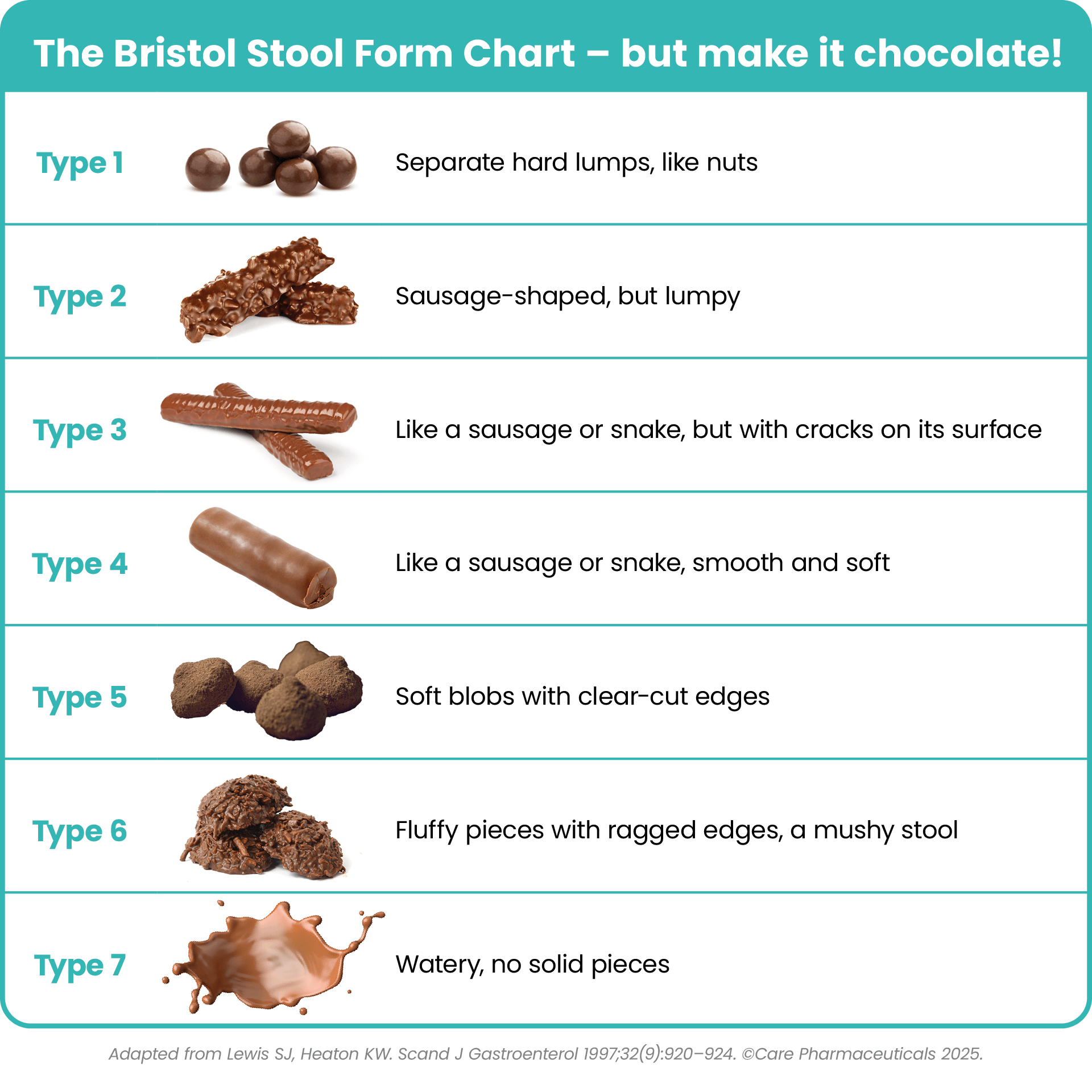
The Bristol Stool Form Chart was developed at the Bristol Royal Infirmary in 1990 and classified human faeces into seven types, from hard, Malteser-like lumps to entirely liquid, fudge-like stools (see the poo chart below).1,2 The visual scale is an accessible shorthand for physicians and patients alike to describe and monitor gastrointestinal health, transcending the taboos, embarrassment, and stigma surrounding this essential bodily function.2,3
A recipe for early detection?
The whimsical nature of the Bristol Stool Form Chart cake could transform an awkward topic into a surprisingly approachable one. Not that it means seeing cakes served in clinics anytime soon, but it is a timely reminder of the value a conversation about stools can offer.
Without openness from patients, the identification of gastrointestinal conditions can be challenging given the absence of specific diagnostic tests and wide variability in presentations. Being able to regularly and openly check in on anal health may help uncover undiagnosed constipation, which is often poorly self-managed by patients and can lead to painful complications such as haemorrhoids, as well as lesser-known ones like anal fissures.5
So, could regular conversations about stools help? Using the Bristol Stool Form Chart to talk stool consistency – including drawing the comical parallels between stool types and chocolate bars to help lighten the mood – it may be possible to identify those at risk of perianal diseases like anal fissures and implement risk-mitigation strategies early. Other important history taking questions include:
- How long do you sit on the toilet? Do you read or play games on your phone while having a bowel movement? Patients should be advised to avoid spending excessive time on the toilet as this bad habit may be harmful.6
- Do you have any anal pain or bleeding? Severe tearing pain during and after defecation with spots of bright red blood are cardinal symptoms of anal fissures, which are often misdiagnosed as haemorrhoids.6,7
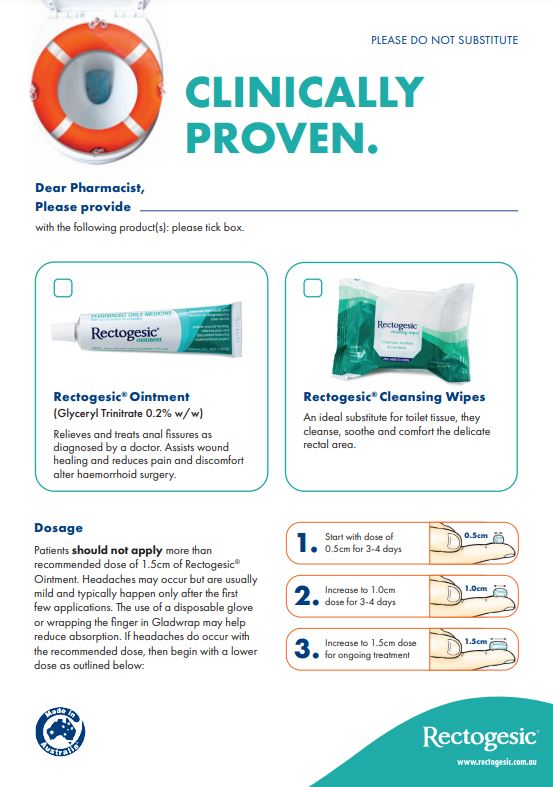
- Are you using any ointments on the anal area? Patients with anal issues may self-manage with inappropriate topical interventions, which could lead to contact dermatitis and worsening symptoms.6 For anal fissure, a glyceryl trinitrate 0.2% ointment (Rectogesic®) is indicated to help relieve pain and aid wound healing.8
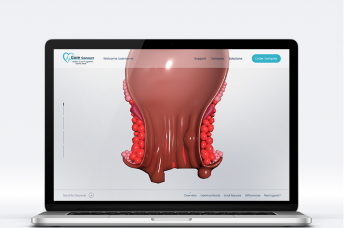
Aside from the Bristol Stool Form Chart, also consider what other visual guides can help in conversations with patients to normalise and improve understanding of anal health – for example, models and diagrams depicting the anal canal and common anal disorders.
Bake your slice of education – make your own Bristol poo chart cake
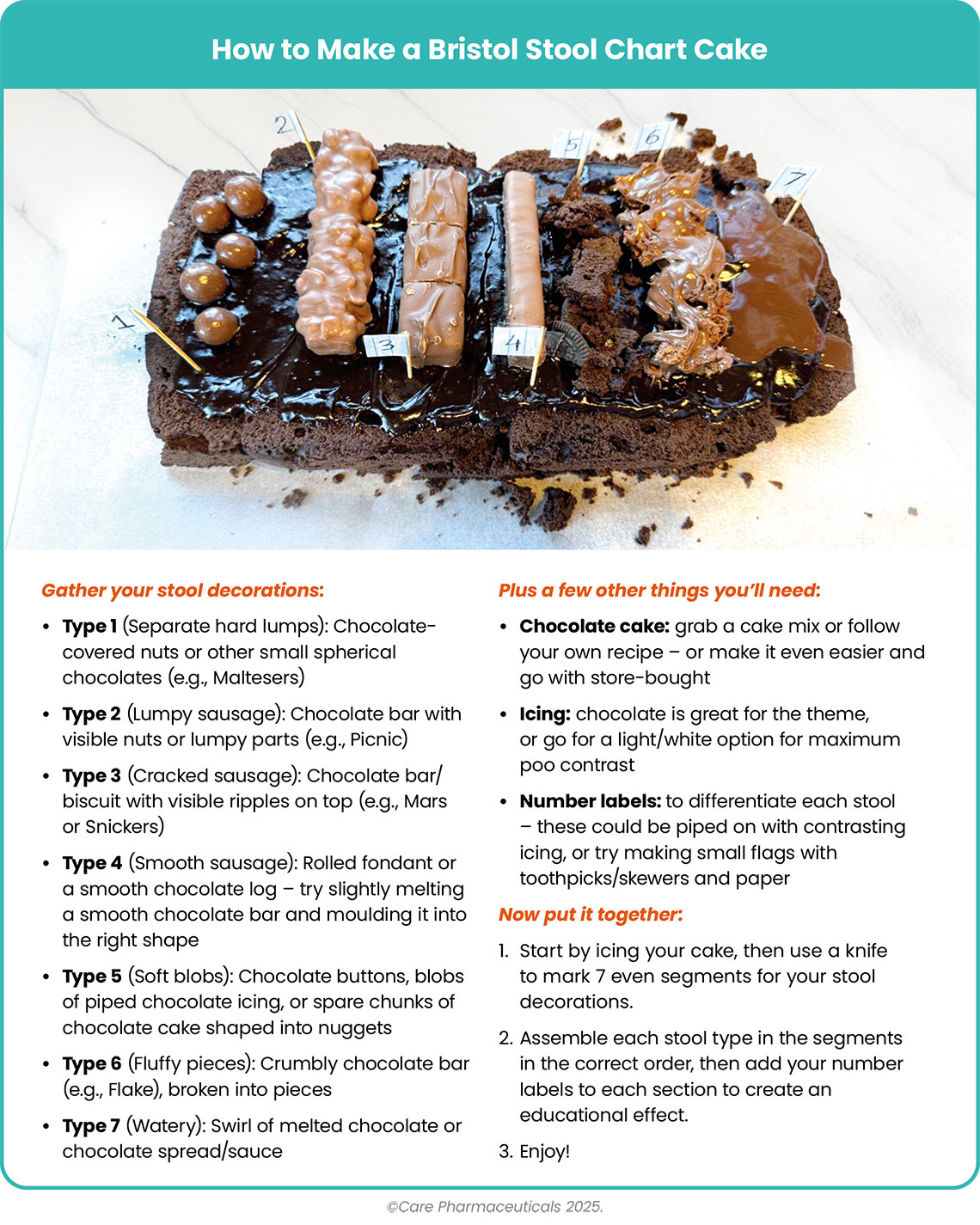
Now for the moment you’ve been waiting for – it’s time to get baking! Download and share the printable below to put your own sweet spin on the Bristol Stool Form Chart cake.
3D Rectum model
Explore an interactive patient-facing tool to help show the difference between anal fissures and haemorrhoids
Please login or register to gain free access to Care Connect.
Please login or register to gain free access to Care Connect.
Patient Education
Download this short patient factsheet summarising the basics of anal fissures, including how to correctly dose Rectogesic® for effective treatment and healing.
To download this resource, please login or register.
References: 1. ePROVIDE by Mapi Research Trust. Bristol Stool Form Scale (BSFS). Basic Description. Available at: https://eprovide.mapi-trust.org/instruments/bristol-stool-form-scale (accessed July 2025). 2. Lewis SJ, Heaton KW. Scand J Gastroenterol 1997;32(9):920–924. 3. Break the taboo with poo. Nat Rev Gastroenterol Hepatol 2021;18:743. 4. Consedine NS, et al. Br J Health Psychol 2007;12:439–462. 5. Diaz S, et al. Constipation [updated 12 Nov 2023]. In: StatPearls [Internet]. Treasure Island (FL): StatPearls Publishing; 2025 Jan–. Available from https://www.ncbi.nlm.nih.gov/books/NBK513291/ (accessed July 2025). 6. Chang J, et al. Perm J 2016;20(4):15–222. 7. Lyle Lyle V, Young CJ. Aust J Gen Pract 2024;53(1–2):33–35. 8. Anal fissure [published 2022 August]. In: Therapeutic Guidelines. Melbourne: Therapeutic Guidelines Limited; accessed July 2025. https://www.tg.org.au.
©Care Pharmaceuticals 2025. Rectogesic® is a registered trademark of Care Pharmaceuticals. All rights reserved. July 2025. This information is intended for use by healthcare professionals only.